
Blog - Steel Stair Guide: Models, Safety and Cost Drivers
Learn how to choose steel stair models, check safety requirements and evaluate cost drivers. Practical guidance for fire escape, industrial and office stair projects.
CLK Çelik Konstrüksiyon, Steel Construction Expert
Steel stairs are core circulation elements in industrial and commercial buildings, delivering durability and safety when engineered correctly.
This guide summarizes model selection, coating options, project flow and proposal comparison points for better procurement decisions.
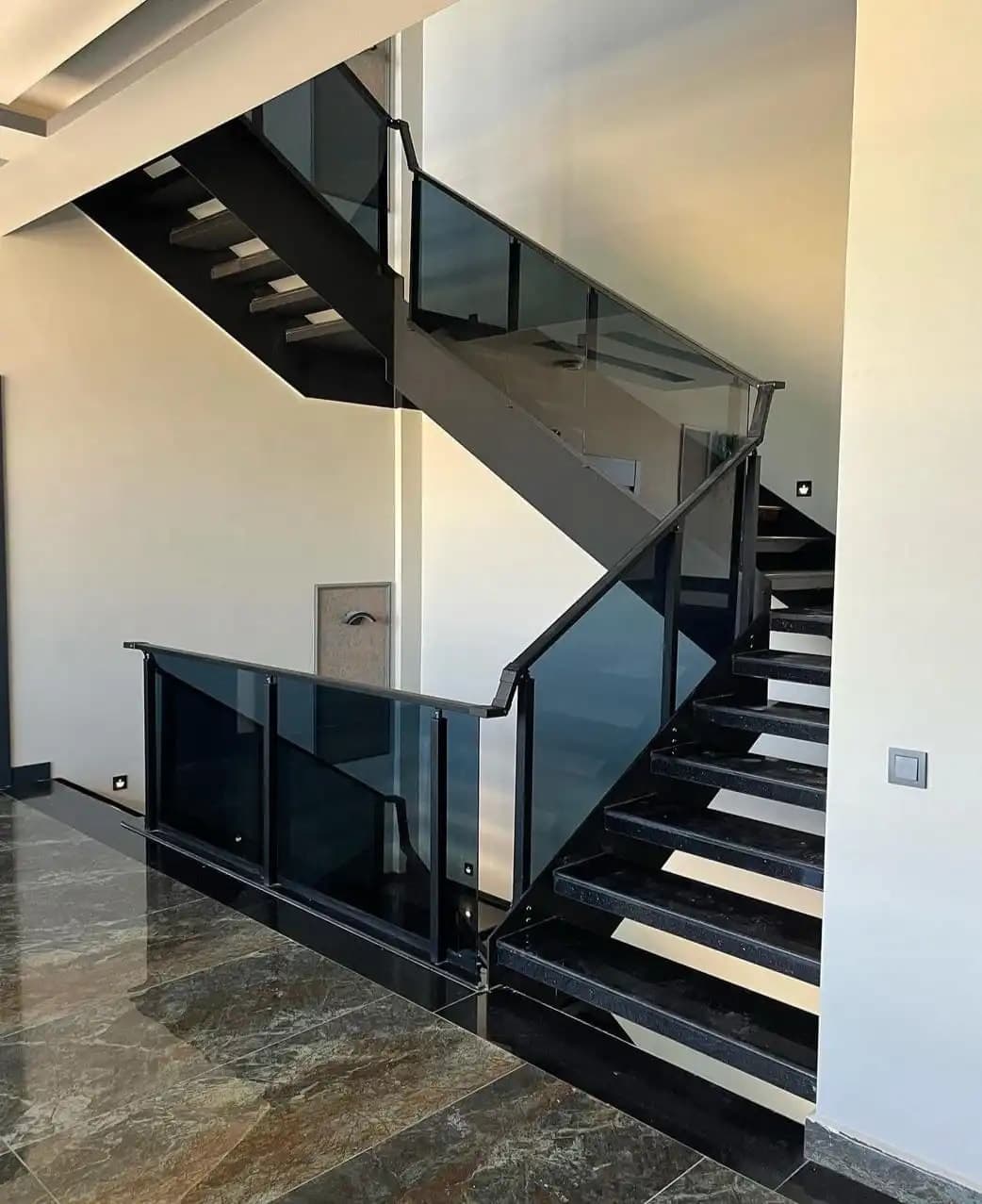
What is a steel stair?
A steel stair is a system of structural steel members, treads and railings designed for safe, long-life vertical circulation.
Common steel stair applications
- Inter-floor access in factories and warehouses
- Fire escape and emergency egress routes
- Office and showroom architectural stairs
- Technical platforms and service zones
- Modern residential and commercial interiors
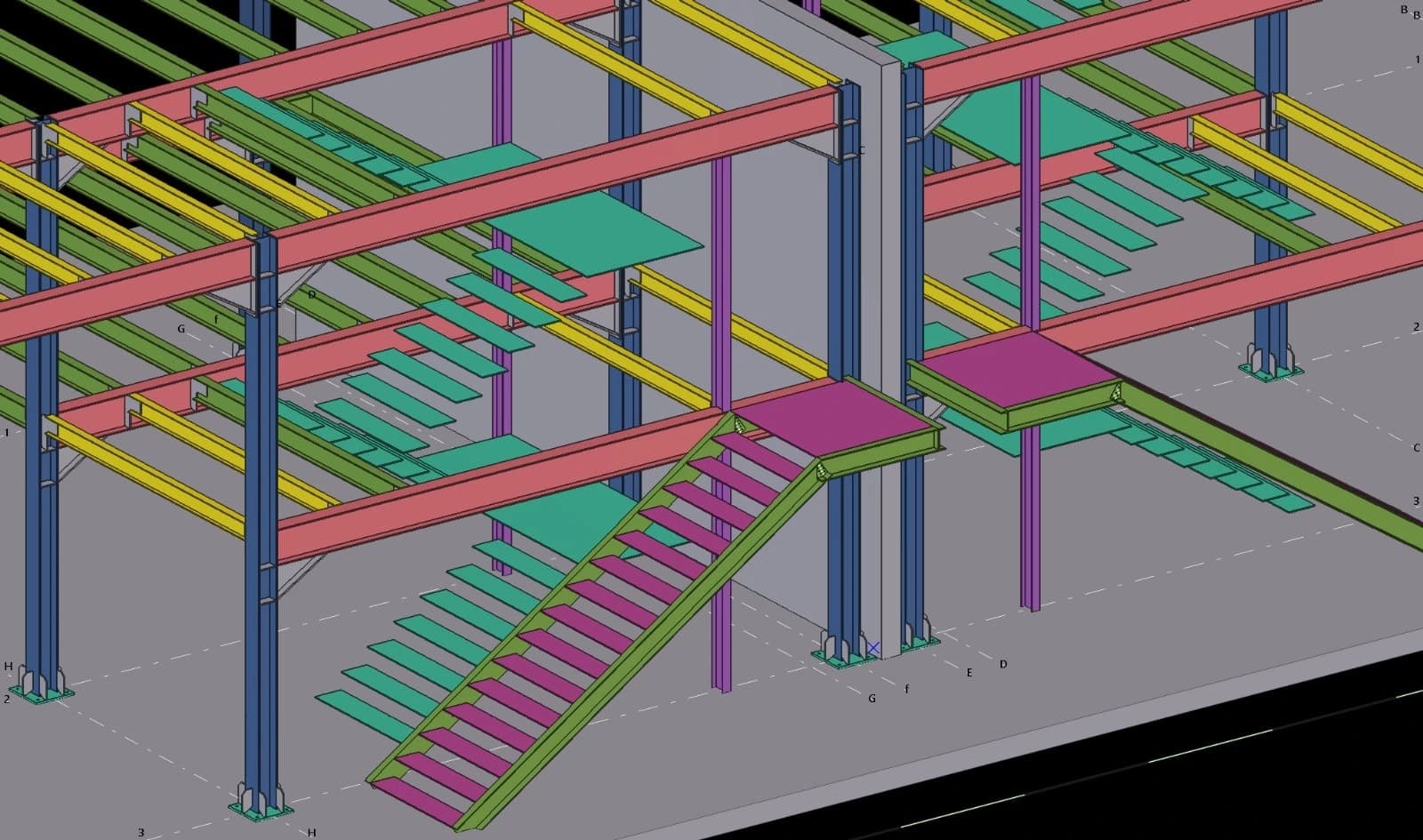
Model comparison
Select the model based on use case, design goals and load conditions.
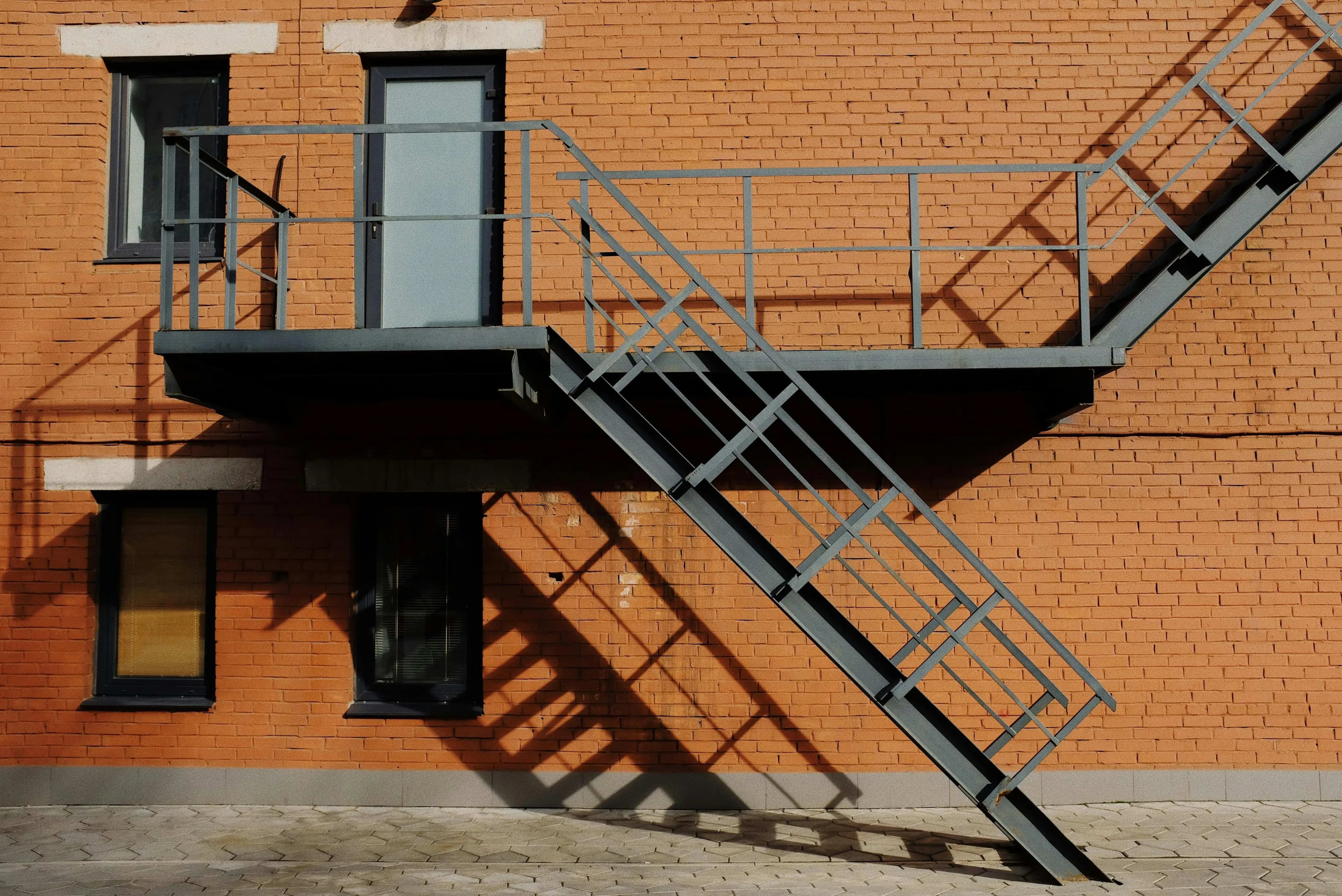
- Fire Escape Stair. Evacuation-focused design with compliance-oriented detailing.
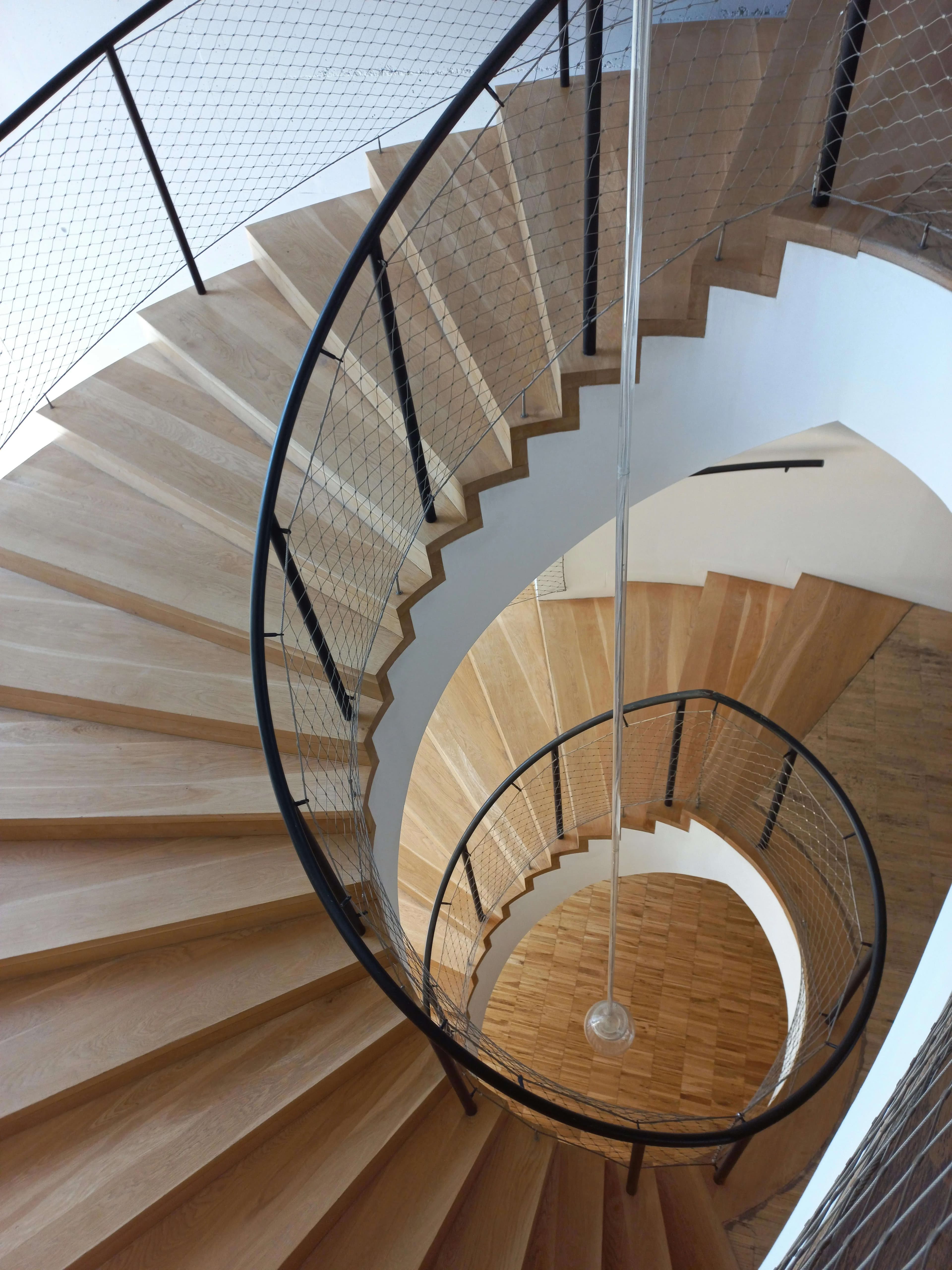
- Spiral Steel Stair. Space-efficient option for compact layouts and architectural impact.
- Industrial Steel Stair. Built for high-traffic usage with anti-slip and robust guardrail details.
- Office / Villa Stair. Combines aesthetics and function with adaptable finishing options.
Material and coating options
Performance depends on both structure and surface protection strategy.
- Galvanizing improves outdoor corrosion resistance.
- Epoxy/polyurethane systems work well indoors.
- Tread type should match traffic intensity.
- Railing details affect safety and user comfort.
- Modular fabrication reduces on-site installation risk.
Safety and compliance checklist
Define technical controls early to avoid approval and execution risks.
- 1. Clearly define stair function and scenario.
- 2. Align design with applicable fire/building rules.
- 3. Specify anti-slip solutions for treads.
- 4. Design guardrails with safe-use criteria.
- 5. Include drainage and corrosion details outdoors.
- 6. Complete post-installation checks and handover records.
Main cost drivers
Compare offers by technical scope, not only by total number.
- Stair type and geometry
- Section sizes and material grade
- Coating system
- Railing and architectural detail density
- Site access and installation constraints
- Engineering and approval scope
Project flow and delivery
A structured process improves schedule and budget control.
- 1. Site survey and measurements
- 2. Design and technical validation
- 3. Workshop fabrication
- 4. Site installation and checks
- 5. Handover and maintenance planning
Common mistakes to avoid
Control these risks early for a safer long-term result.
- Selecting only by price
- Late compliance definition
- Wrong coating for the environment
- Underspecified tread/railing details
- Late logistics planning
- No periodic maintenance plan
Frequently Asked Questions
How is steel stair pricing calculated?
Pricing depends on model, dimensions, materials, coating and installation conditions.
How do we ensure fire-escape compliance?
Define the scenario early, design to relevant codes and verify in installation controls.
Which coating is better for outdoor stairs?
Choose based on corrosion class and maintenance strategy, often galvanizing or industrial paint.
What matters most in railing design?
Safety geometry, grip comfort and robust connection detailing.
How long do fabrication and installation take?
Timeline changes by complexity, approvals and site readiness.