
Blog - Steel Construction Guide: Systems, Delivery Flow and Cost Drivers
What is steel construction, which systems are used, and how should execution be planned? This guide summarizes technical basics and the main cost drivers.
CLK Çelik Konstrüksiyon, Steel Construction Expert
Steel construction is widely preferred in industrial and commercial projects due to fast execution, high strength and flexible design potential.
When system selection, section sizing and site coordination are handled early, schedule risk drops and total cost becomes more predictable.
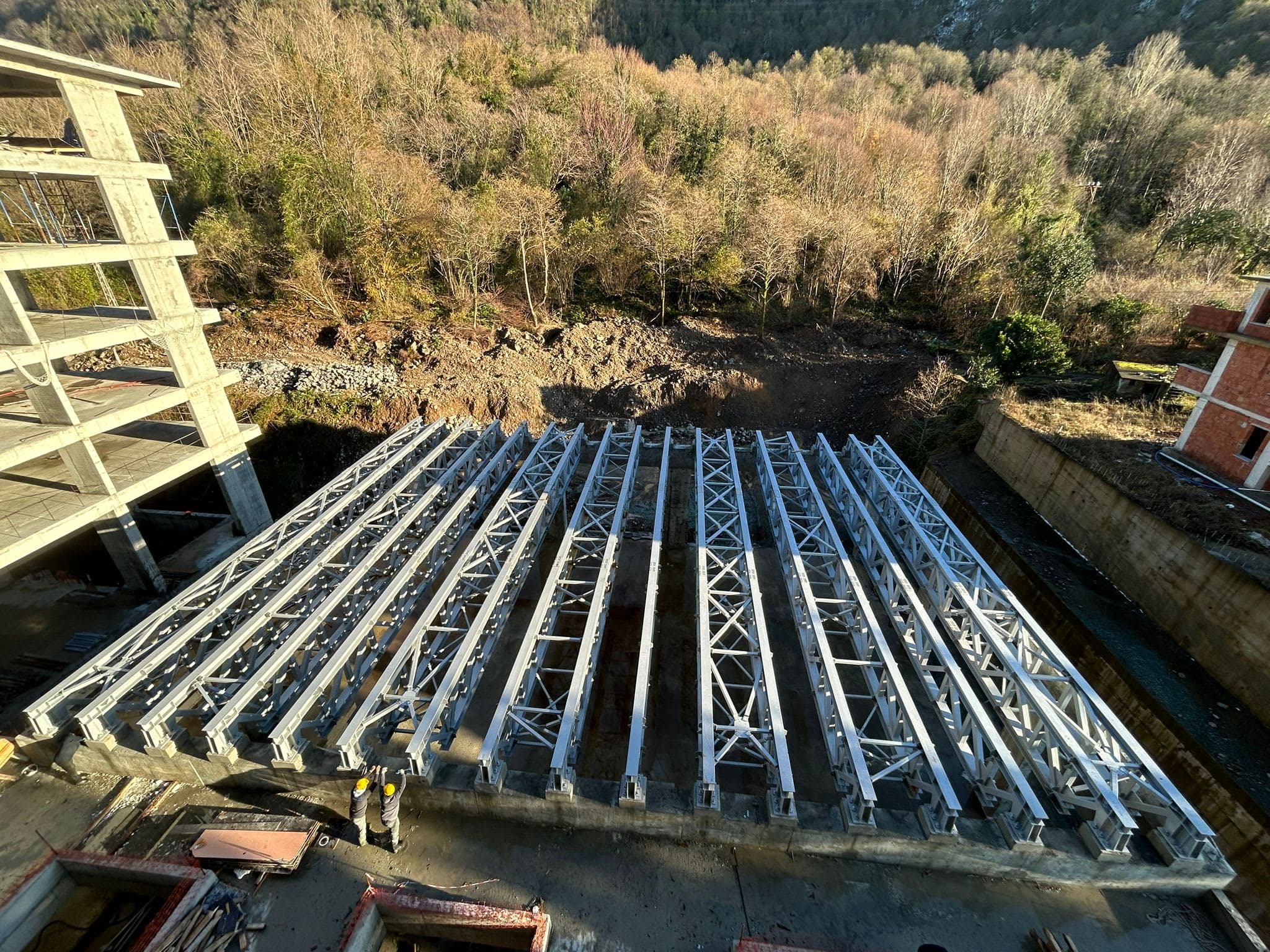
What is steel construction?
Steel construction is a modern structural method where primary load-bearing members are steel and connections are completed with bolted and/or welded details.
Why choose steel construction?
- Faster fabrication and erection compared to many conventional systems
- Efficient space usage thanks to long-span capability
- Modular expansion options as capacity requirements grow
- Simpler revision paths with demountable connection logic
- Flexible detailing for both engineering and architecture
Common steel system types
- Portal frame systems (factory and warehouse buildings)
- Steel roof truss systems (wide-span roof solutions)
- Mezzanine structural systems (additional usable floor area)
- Hybrid systems (reinforced concrete + steel combinations)
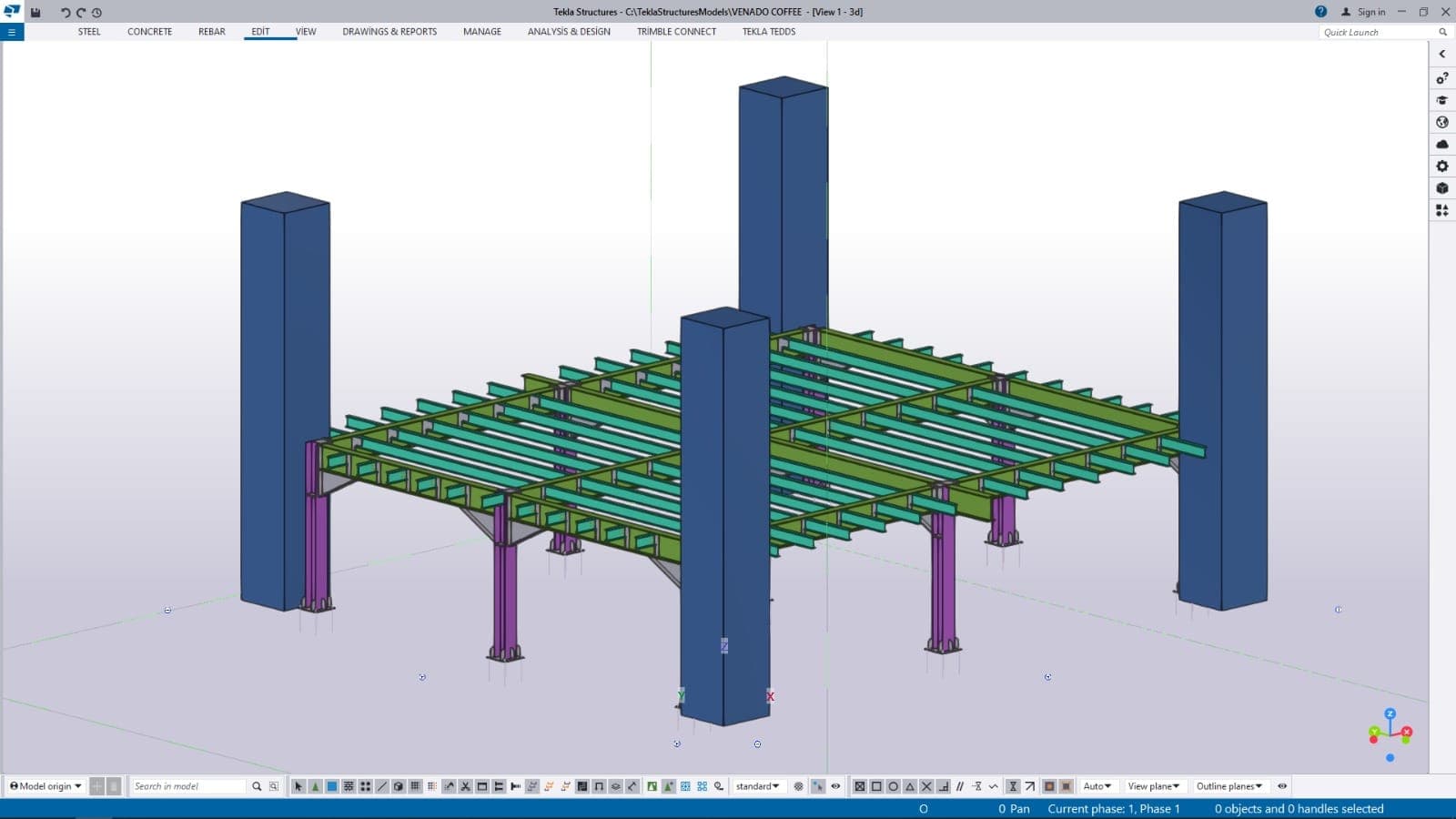
Typical project workflow
- 1. Requirement definition and site survey
- 2. Concept design, structural calculations and section optimization
- 3. Workshop fabrication and quality control
- 4. Site logistics, erection and connection checks
- 5. Final handover, tests and documentation
Main cost drivers
- Total tonnage, spans and clear height requirements
- Profile sizes, connection details and assembly method
- Surface protection scope (paint, galvanizing, fire coating)
- Site constraints, crane planning and access logistics
- Project management, supervision and handover scope
Frequently Asked Questions
Is steel construction always the lowest-cost option?
Not always. Span, tonnage, coating and site conditions must be evaluated together.
Are steel structures reliable in seismic regions?
Yes, when structural calculations and connection details are engineered correctly for local codes.
What is the most critical step for a faster schedule?
Early coordination between design, fabrication and erection teams under one integrated timeline.
Conclusion
Successful steel projects depend on the combined discipline of system selection, technical planning and execution control.
Let us build a technical roadmap for your project
We can support system selection, section optimization and site-ready installation planning based on your project constraints.