
Blog - Steel Roof Guide: Systems, Insulation and Cost Drivers
Understand steel roof systems, insulation decisions and key cost drivers. Practical comparison of sandwich panel and trapezoidal sheet roof solutions.
CLK Çelik Konstrüksiyon, Steel Construction Expert
Steel roof systems are preferred for industrial and commercial projects thanks to wide spans, fast installation and long service life.
This guide covers structural options, cladding choices, load considerations and budget-critical scope items.
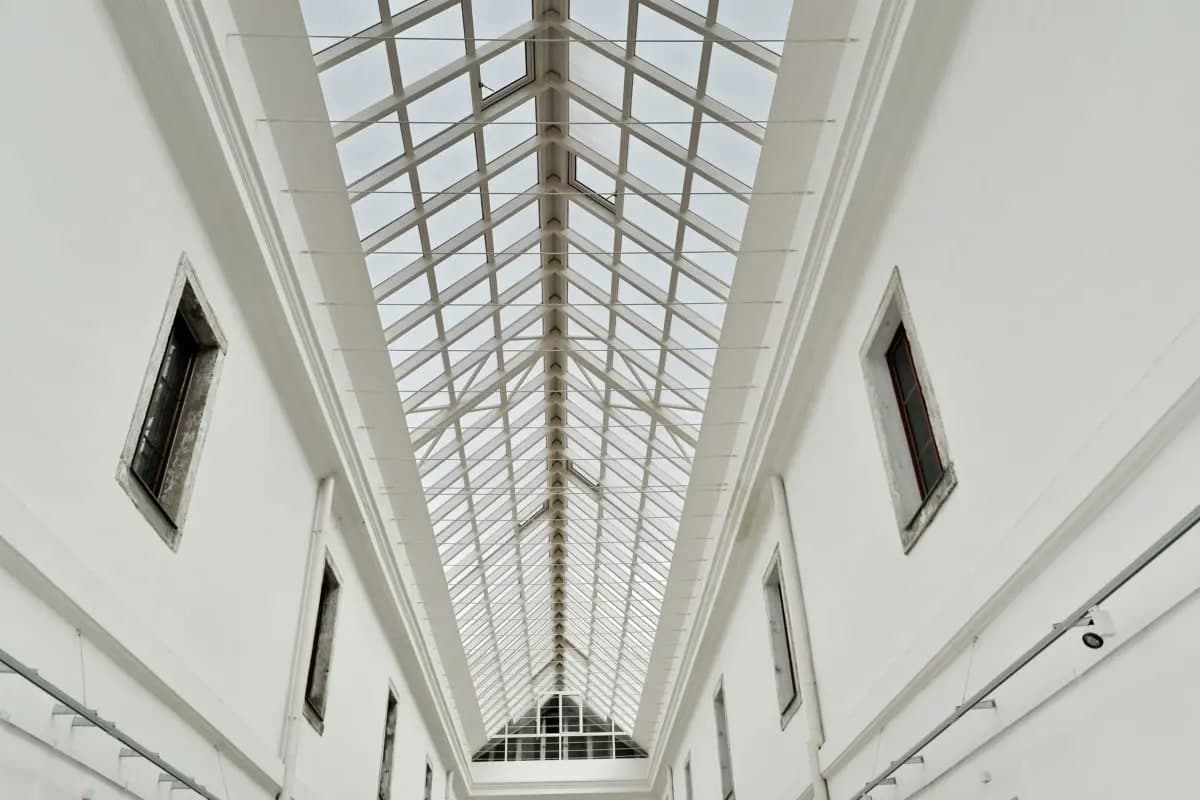
What is a steel roof?
A steel roof combines structural steel members, purlins and cladding layers to deliver durable and adaptable roofing performance.
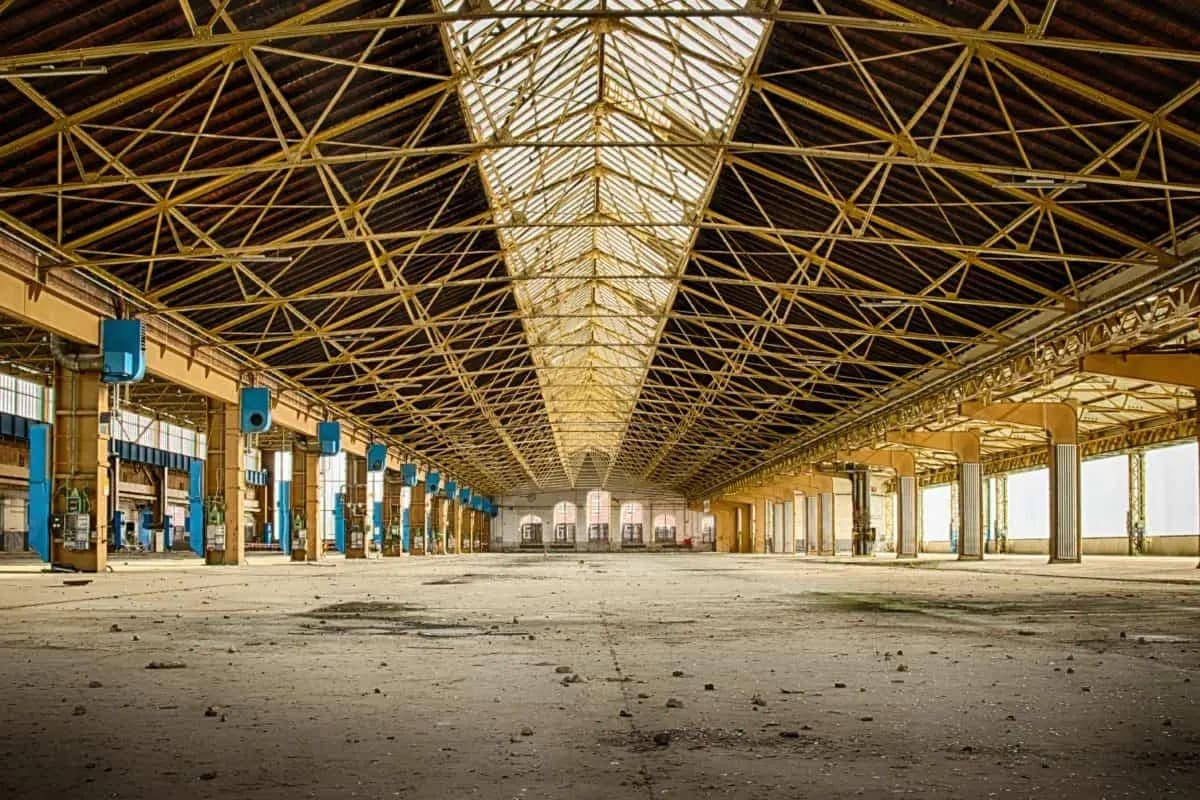
Structural systems and model comparison
System selection depends on span, usage and project loading conditions.
- Truss Systems. Efficient for large spans in factories and warehouses.
- Portal Frames. Fast fabrication and erection with cost-effective performance.
- Wide-Span Solutions. Allow more free space with fewer intermediate supports.
- Hybrid Systems. Balance performance and cost by combining structural strategies.
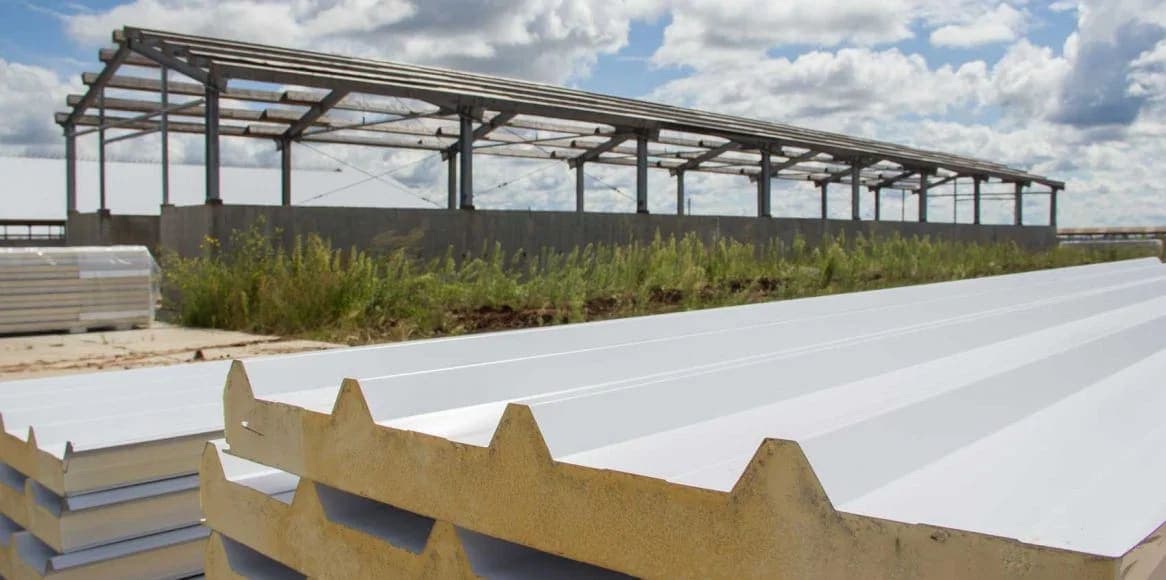
Cladding choice: sandwich panel vs trapezoidal sheet
Cladding affects investment cost, energy performance and maintenance needs.
- Sandwich Panel. High thermal and acoustic performance for controlled indoor environments.
- Trapezoidal Sheet. Cost-efficient and durable when insulation and waterproofing details are correct.
Loads and structural design approach
Safe roof design requires integrated evaluation of regional and structural effects.
- Assess snow and wind using regional data.
- Include seismic effects with connection behavior.
- Control sections and deflection as spans increase.
- Coordinate purlin layout with cladding connections.
- Plan slope and drainage details from the beginning.
Thermal-water insulation and maintenance
Long service life requires both robust detailing and periodic inspections.
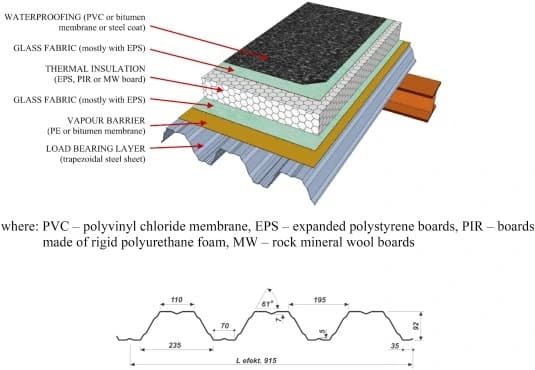
- Resolve joint and edge waterproofing details correctly.
- Match thermal insulation strategy to building use goals.
- Manage condensation with proper layer order and ventilation.
- Use periodic checks to catch early roof defects.
- Maintenance planning improves lifecycle performance.
Main cost drivers
Focus on technical scope parameters rather than only a unit price number.
- Span, geometry and total roof quantity
- Structural system type and section sizes
- Cladding and auxiliary layer selection
- Insulation and drainage detailing
- Site logistics and installation plan
- Engineering and approval requirements
Project flow: survey to installation
Clear scope management helps control schedule and budget.
- 1. Site survey and requirement analysis
- 2. Concept design and structural validation
- 3. Workshop planning and material preparation
- 4. On-site erection and cladding works
- 5. Final checks and handover
Frequently Asked Questions
Why does steel roof cost per m² vary?
Span, system type, cladding, insulation level and site conditions all change unit cost.
Which is better: sandwich panel or trapezoidal sheet?
Choose according to thermal target, budget and building usage scenario.
When should roof insulation be planned?
Define insulation strategy early in the project to reduce late-stage risk.
What details are critical for waterproofing?
Valleys, joints, edge closures and connector detailing are critical points.
Why are structural calculations mandatory?
They are essential for safety, compliance and long-term durability.