
Blog - Steel Plant Guide: 7 Fundamentals Behind Powerful Production
What is a steel plant, how does it work and why is it the backbone of industry? Explore everything you need to know in this guide.
CLK Çelik Konstrüksiyon, Steel Construction Expert
Steel plants are strategic facilities that turn raw materials into durable, long-lasting steel products. They power construction, automotive, energy, defense and infrastructure projects.
What is a steel plant?
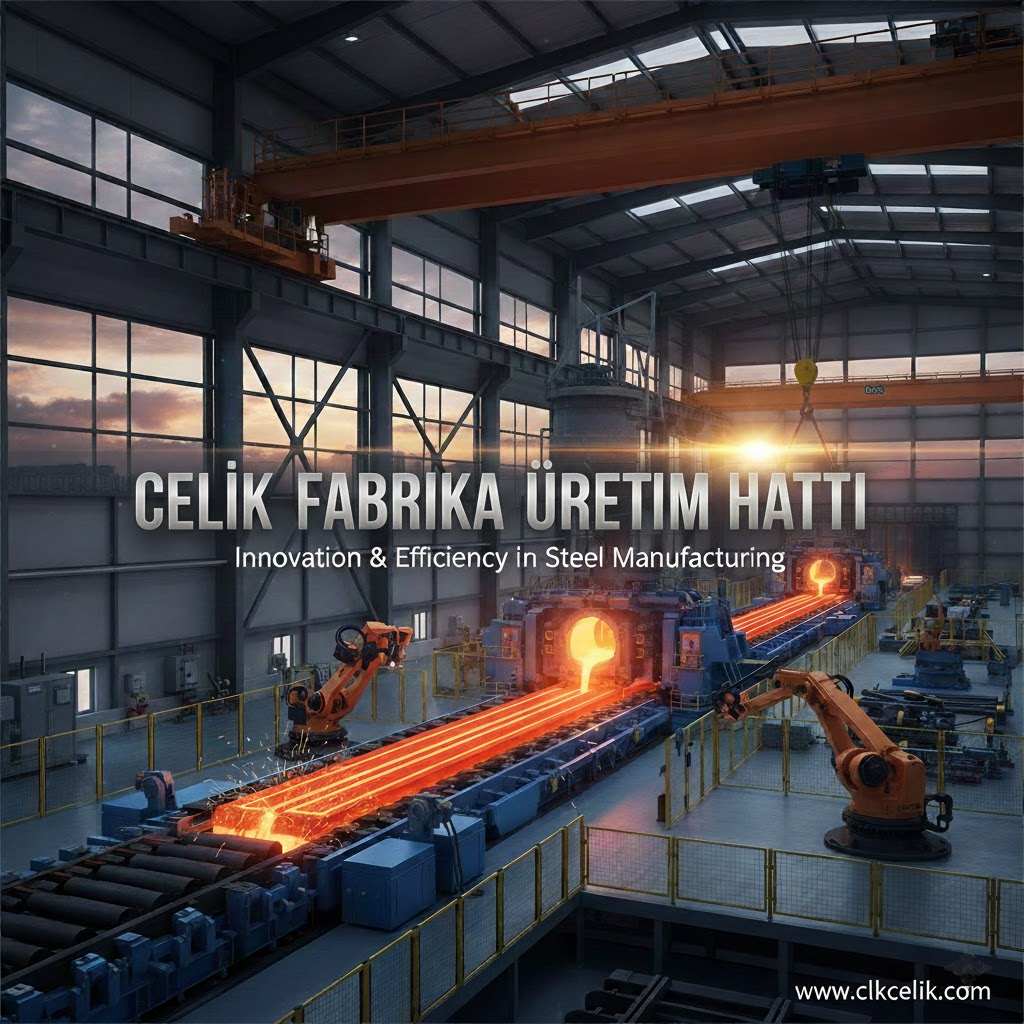
An industrial production facility where raw materials (scrap or iron ore) are processed into steel, blending technology and engineering.
How does a steel plant work?
A standard production flow follows 5 core steps that guarantee quality and durability:
- Raw material preparation. Scrap or ore is sorted, cleaned and charged.
- Melting. High-temperature furnaces transform feed into liquid steel.
- Casting. Liquid steel is shaped into billets or slabs.
- Rolling and shaping. Billets become the required profile, sheet or pipe.
- Quality control. Testing, sampling and certification to meet standards.
Types of steel plants
Plants differ by feedstock and production model:
Integrated mill
Full chain from ore to finished product.
Mini mill
Scrap-based, flexible and fast to commission.
Specialty production
Focused on profiles, pipes or sheet product families.
7 fundamentals of strong production
Keep these points in mind when evaluating steel plants:
- 1. Steel plants are the unseen backbone of construction and industry.
- 2. Efficiency depends on discipline in preparation, melting, casting and rolling.
- 3. Tech investments (automation, AI, digital tracking) lift quality.
- 4. Sustainability starts with recycling and energy efficiency.
- 5. Economic value comes through jobs, exports and local supply strength.
- 6. Choosing the right plant hinges on capacity, certification and delivery.
- 7. Cross-sector steel usage makes the investment strategic.
Economic impact
A steel plant delivers direct and indirect value to its region:
- Creates employment and builds skilled labor.
- Drives exports and foreign currency inflow.
- Strengthens local supply chains.
- Supports infrastructure and mega projects.
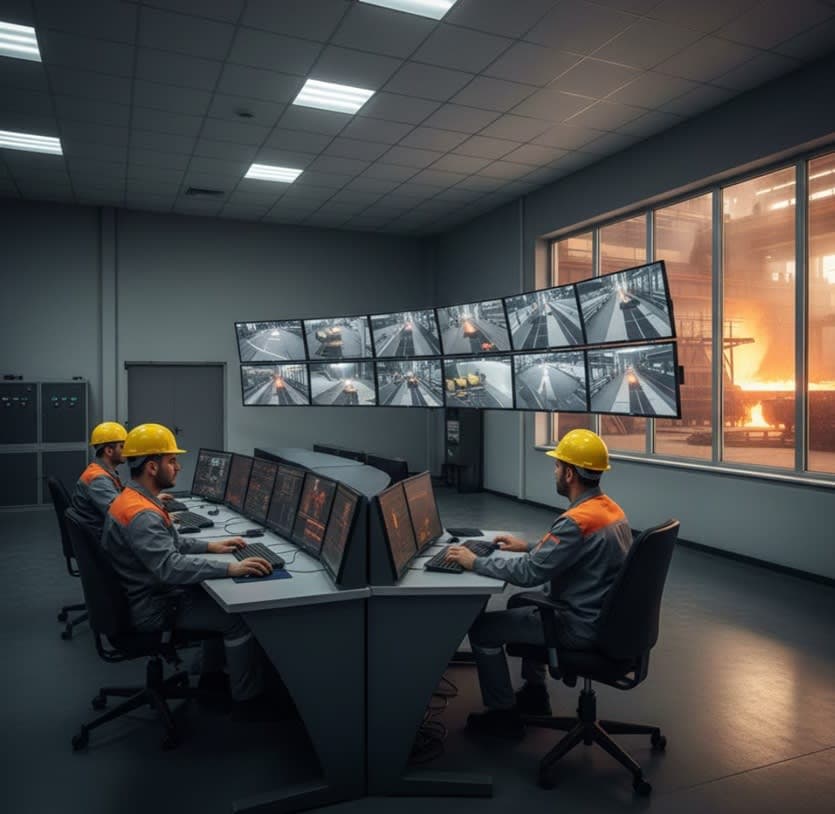
Modern steel plant technologies
No longer limited to manual work; technology boosts efficiency:
- 1. Automation and robotics for error-free, traceable production.
- 2. AI-powered quality control and predictive maintenance.
- 3. Energy-efficient furnaces and heat recovery systems.
- 4. Digital production tracking and real-time analytics.
Sustainability and environmental impact
Modern plants cut their footprint with standard practices:
- Use of recycled feedstock and waste minimization.
- Energy management and green power to lower emissions.
- Heat recovery systems and process optimization.
What to check when choosing a steel plant
Supplier choice directly affects cost and project success:
- 1. Production capacity and flexibility
- 2. Quality certifications and standards compliance
- 3. Delivery speed and logistics capability
- 4. Technical support, engineering and service
- 5. Reference projects and field experience
Frequently Asked Questions
What does a steel plant produce?
A range of steel profiles, sheets, pipes and specialty industrial products.
Is a steel plant harmful to the environment?
Modern plants use eco-friendly technologies to minimize emissions and waste.
Why are steel plants important?
They are the backbone of industry, construction and infrastructure growth.
Where are steel plant products used?
Buildings, bridges, automotive, power plants, defense and more.
Is investing in a steel plant profitable?
With proper planning and technology, returns can be strong in the long term.
How long does steel production take?
Depending on the product, cycles range from hours to several days.
Conclusion
Steel plants are essential powerhouses of the modern world, enabling strong structures, resilient infrastructure and sustainable industry.
With the right technology, efficient processes and smart investment, you can future-proof steel production.