
Blog - Heavy Steel Fabrication Workshop Guide: The Backbone of Industrial Production
What is a heavy steel fabrication workshop, production flow, quality control, equipment, capacity and cost drivers. A comprehensive guide for businesses.
CLK Çelik Konstrüksiyon, Steel Construction Expert
From industrial plants to long-span structures, high load capacity and durability are essential. Heavy steel fabrication is the core of these safe, scalable solutions.
A heavy steel workshop combines engineering, precision manufacturing and strict quality control so large structural members can be produced reliably.
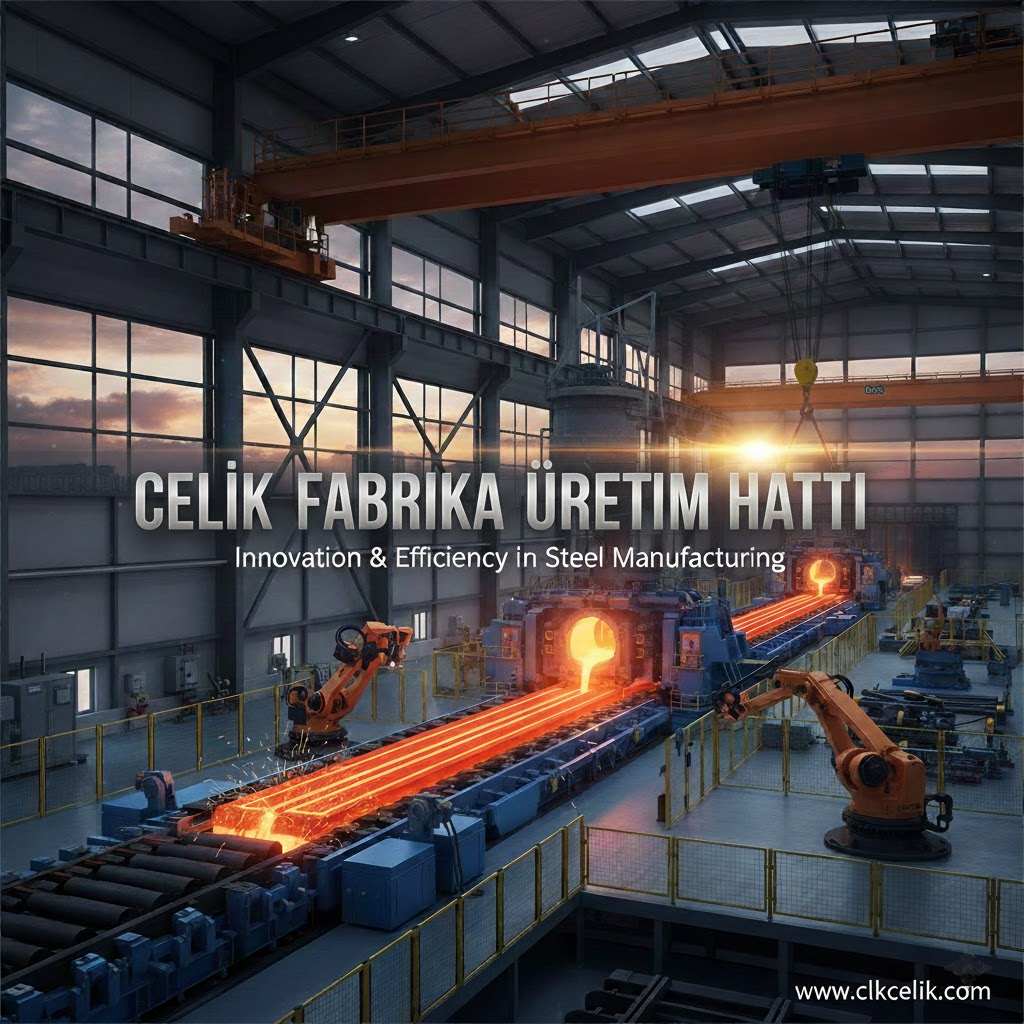
What Is a Heavy Steel Fabrication Workshop?
A heavy steel workshop is a facility that processes thick plates and large sections to produce high-capacity structural members. Cutting, drilling, welding, assembly, surface preparation and testing are performed with heavy-duty equipment.
Key Differences Between Heavy Steel and Light Steel
- Section size and thickness. Heavy steel uses thick plates and large sections; welding and machining requirements are more intensive.
- Loads and spans. Designed for high loads and large spans such as crane systems and industrial halls.
- Manufacturing and quality demands. Tolerances, welding procedures and NDT controls are more critical; certification requirements increase.
- Site erection. Larger components require heavy lifting and logistics planning; site organization matters.
Core Areas of a Heavy Steel Workshop
An efficient heavy steel facility should have an integrated flow from engineering to dispatch.
Engineering and detailing
Structural calculations, shop drawings and BIM outputs are prepared for fabrication.
Cutting and drilling
CNC plasma/oxy cutting, drilling and beveling are used for part preparation.
Welding and assembly
WPS/PQR-compliant welding, sub-assemblies and large component fit-up.
Straightening and dimensional control
Heat straightening, jigs and tolerance checks are performed.
Surface preparation and coating
Blasting followed by industrial paint or galvanizing.
Dispatch and site readiness
Packaging, labeling and shipment based on erection sequence.
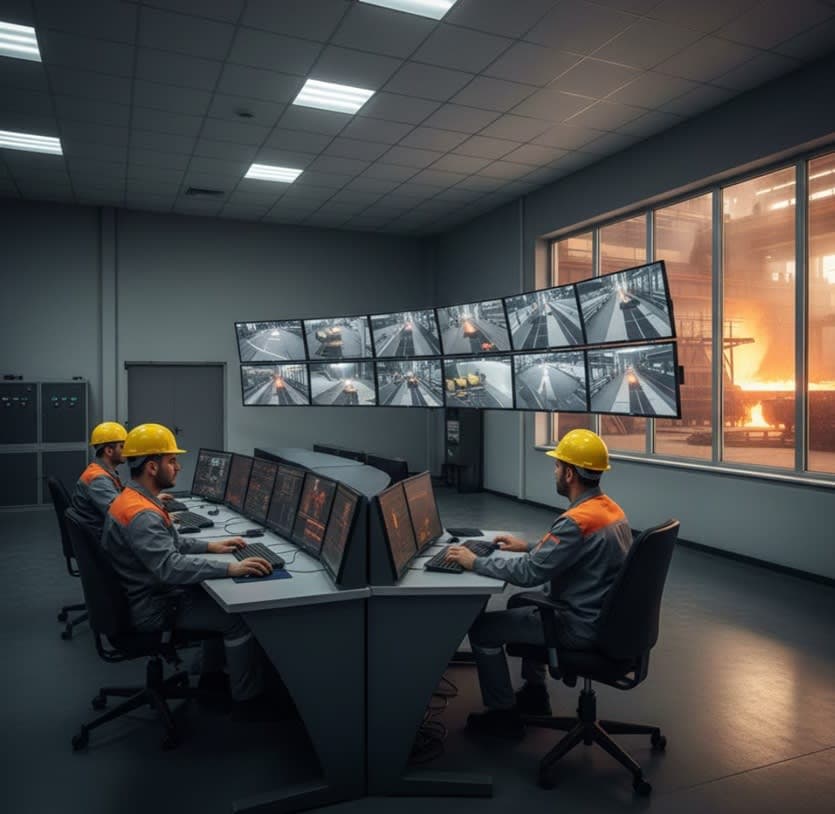
Typical Heavy Steel Fabrication Flow
A planned production flow keeps time and cost under control.
- Survey and engineering: loads, spans and use case are defined.
- Shop drawings: fabrication details, weld symbols and erection plans are prepared.
- Material procurement: certified plates and sections are stocked.
- Fabrication: cutting, drilling, welding, assembly and straightening.
- Quality control: dimensional checks, weld inspection and NDT.
- Dispatch and erection: planned loading, bolted or welded site assembly.
Quality Control and Certification
Traceability and compliance with standards are critical in heavy steel production.
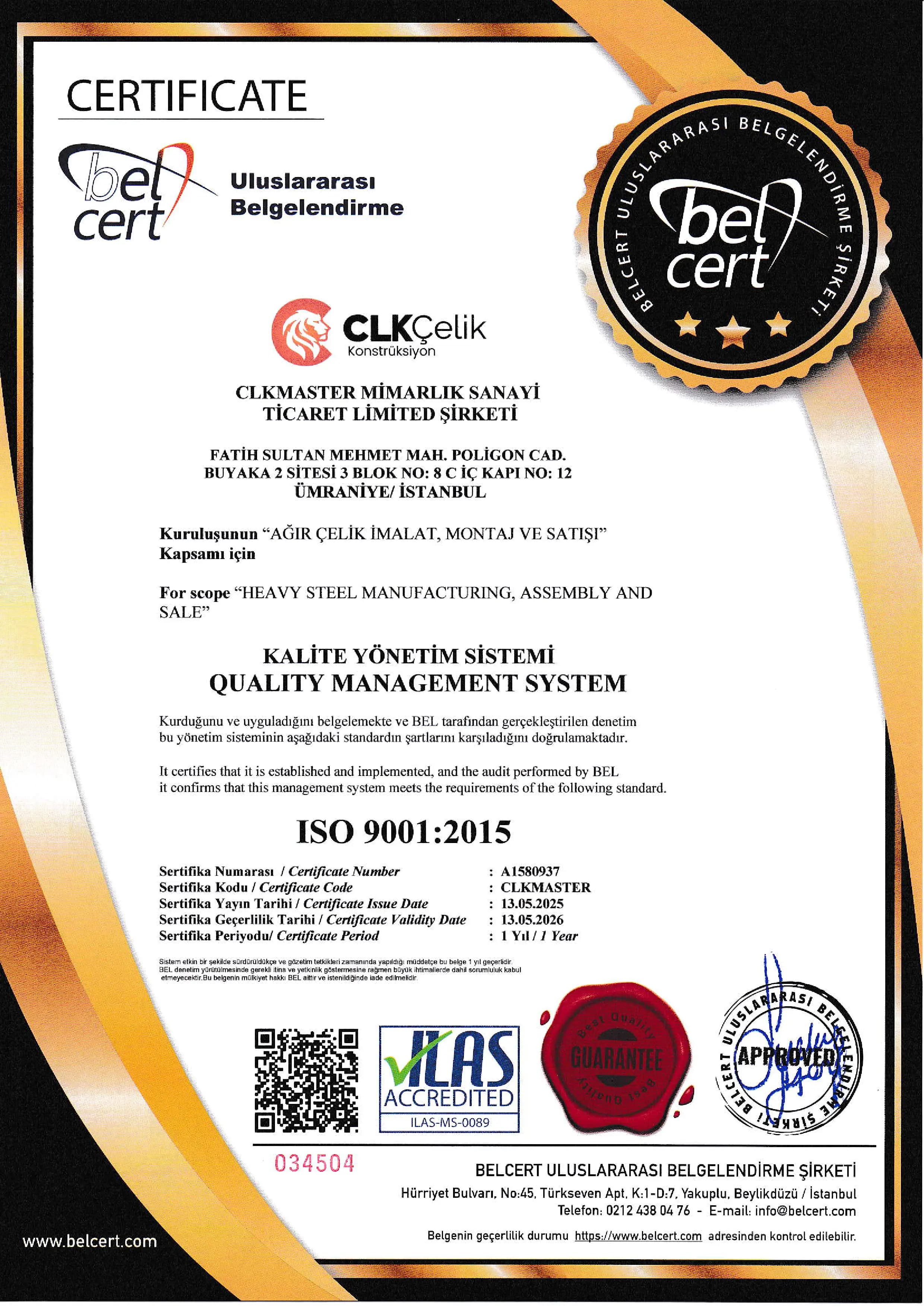
- EN 1090 and CE marking. Provides conformity and traceability for load-bearing steel fabrication.
- ISO 3834 welding quality management. Assures welding procedures, welder qualifications and record keeping.
- Non-destructive testing (NDT). UT, MT or PT verifies critical joints.
- Material certificates and traceability. Heat number tracking and certified steel validate quality.
Key Equipment in Heavy Steel Workshops
Large sections require high-capacity, precision equipment.
- CNC plasma/oxy cutting lines. Fast and precise cutting of thick plates.
- High-capacity drilling and machining. Accurate holes and processing for large sections.
- Heavy-duty welding positioners. Safe rotation and high-quality welds on large parts.
- Overhead cranes and lifting systems. Safe handling of heavy components.
- Blasting and paint booths. Surface preparation and durable coating.
What Defines Capacity?
Capacity is not only floor area; tonnage and equipment are key.
- Monthly tonnage output and parallel production lines
- Maximum part length and span capability
- Crane lifting capacity and material flow paths
- Coating line cycle time
Logistics and Site Erection
Planning transport and assembly is as critical as fabrication.
- Parts are packaged and labeled by erection sequence.
- Special transport vehicles and route permits are planned.
- Bolted assembly is prioritized on site; welding is applied when needed.
Cost Drivers
Pricing varies with project complexity, tonnage and quality requirements.
- Total tonnage and part variety
- Section thickness and specialized labor
- Welding procedures and NDT scope
- Coating type (paint, galvanizing, fireproofing)
- Site erection, lifting and logistics conditions
Realistic Project Scenario
For a 10,000 m² production facility, heavy steel columns and beams were fabricated to achieve large spans. Fast site assembly shortened the delivery schedule.
Strong planning and fabrication quality balance time and cost on large-scale projects.
Frequently Asked Questions
What defines heavy steel versus light steel?
As section size, plate thickness and load requirements increase, it is considered heavy steel.
How long does heavy steel fabrication take?
It depends on scope; detailing, fabrication and coating are planned to meet deadlines.
Is certification mandatory?
For structural steel, EN 1090 and welding quality standards are required in most projects.
Is shop assembly or site assembly more advantageous?
Large components are assembled in the shop; site assembly is planned for speed and safety.
Conclusion: Safe and Scalable Heavy Steel Production
A heavy steel workshop is the foundation of large industrial projects. With engineering, quality control and logistics aligned, long-lasting and safe structures are delivered.
Plan Your Heavy Steel Project
Contact our team to evaluate fabrication capacity and plan your project.